
December 15, 2025

Table of Contents
ToggleIntroduction – Hand Trauma Leading to Tendon Injuries
Hand trauma is one of the most common injuries in Pakistan due to road accidents, workplace injuries, kitchen cuts, and sports activities. Because our hands are essential for daily work—writing, cooking, lifting, using a mobile phone—any damage to the tendons of the hand can greatly affect quality of life.
Hand Tendon Injury Treatment guide explains the types of tendon injuries, how they happen, how doctors repair them, and what recovery looks like.
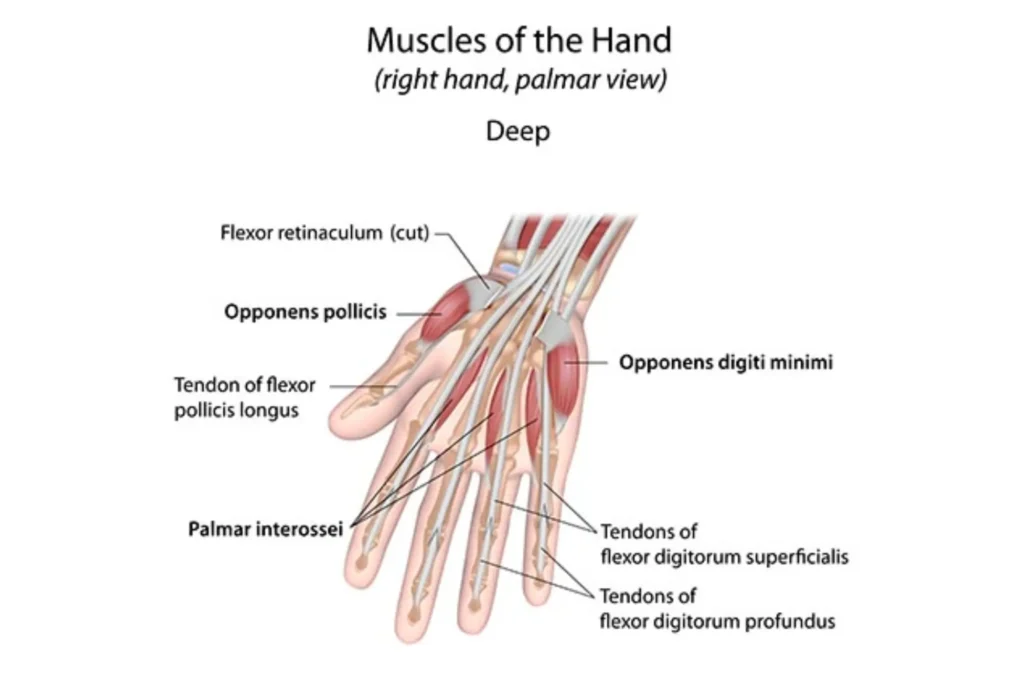
What Are Tendons in the Hand?
Tendons are strong, rope-like tissues that connect muscles to bones. They allow your fingers and wrist to move in different directions.
There are two main types of Hand Tendon Injury Treatment:
1. Flexor Tendons (Front of the Hand)
These tendons help you bend your fingers and thumb.
Functions of Flexor Tendons
- Help you hold objects, make a fist, grip a pen.
- Allow fine motor movements like buttoning a shirt or using a mobile phone.
- Essential for lifting and carrying tasks.
2. Extensor Tendons (Back of the Hand)
These tendons help you straighten your fingers and thumb.
Functions of Extensor Tendons
- Let you open your hand or release a grip.
- Help in typing, waving, or reaching out.
- Important for coordinated hand movements.
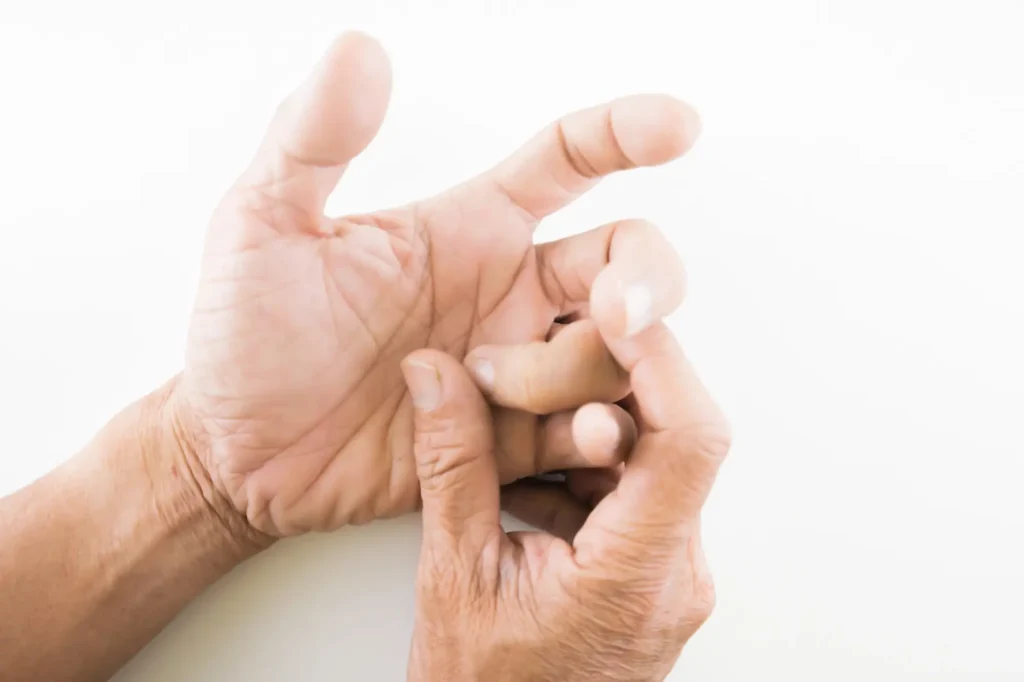
Why Tendon Injuries Happen: Common Causes in Pakistan
Hand tendon injuries occur when the tendons are cut, overstretched, or torn due to trauma.
Common causes include – Hand Tendon Injury Treatment:
- Kitchen accidents (knife cuts while chopping)
- Road traffic accidents
- Glass injuries
- Industrial injuries in factories
- Sports injuries
- Fights or assault wounds
- Sudden forceful movements causing tendon rupture
Types of Hand Tendon Injury Treatment
Tendon injuries vary depending on the force and mechanism. Common types include – Hand Tendon Injury Treatment:
1. Tendon Laceration (Cut Tendon)
- Happens with sharp objects like knives, glass, metal sheets.
- Results in immediate loss of finger movement.
2. Tendon Rupture (Tear Without Cut)
- Caused by forceful bending or straightening.
- Seen in sports or heavy lifting accidents.
3. Avulsion Injury
- A tendon is pulled off its attachment to the bone.
- Often happens in road accidents or sudden jerks.
4. Crush Injuries
- Heavy machines, car doors, or gears crush the hand.
- Tendons, bones, nerves, and skin may all get damaged.
Signs & Symptoms of a Tendon Injury
If any tendon is damaged, you may notice:
- Inability to bend or straighten one or more fingers
- Weak or no grip
- Pain and swelling
- An open wound with visible tendon ends
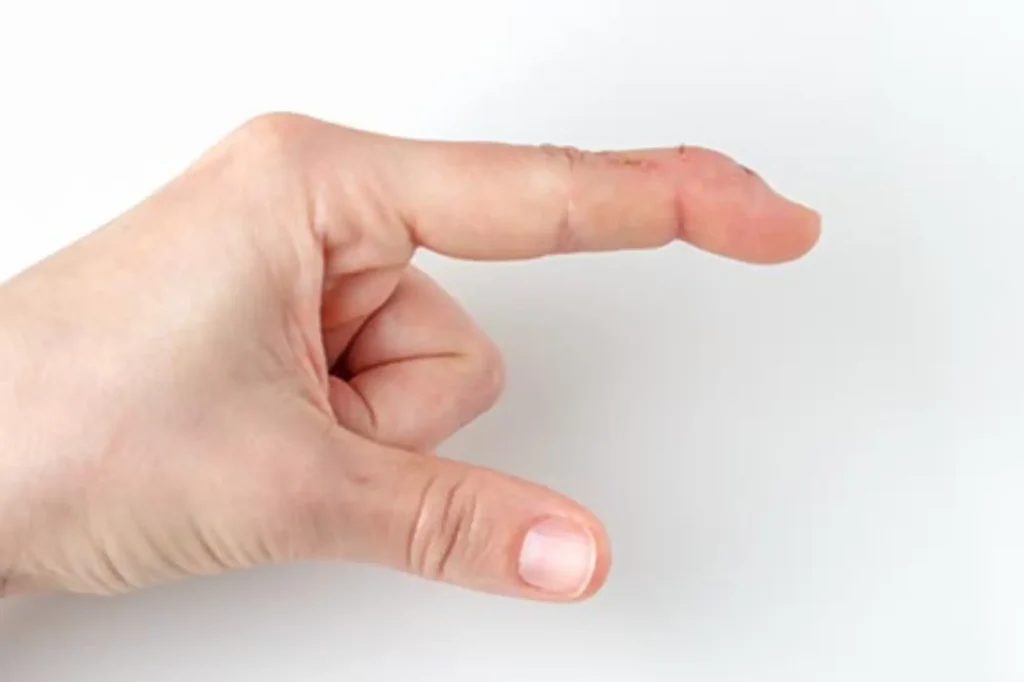
- Finger positioned abnormally (bent or drooping)
- Numbness if nerves are also injured
If you cannot move the finger normally after injury—assume it is a tendon injury and seek emergency care.
How Doctors Diagnose Tendon Injuries
Your hand surgeon checks:
- Finger movement
- Tendon continuity
- Nerve and vessel function
- Wound depth
- X-ray for fractures
- Ultrasound sometimes to confirm tendon rupture
Treatment: How Are Tendon Injuries Repaired?
1.Primary Tendon Repair (Within 24–72 Hours)
- Best results
- Tendon ends are stitched together
- Usually done for fresh cuts
2. Delayed Primary Repair (Up to 2 Weeks)
- Still possible if the wound was contaminated earlier
- Surgeon cleans the wound and then repairs the tendon
3. Secondary Tendon Repair (After Several Weeks)
For old injuries where tendon ends shrink or scar:
- Tendon grafting
- Tendon transfer
- Reconstruction procedures
Only an experienced hand surgeon should repair tendons, as poor repair leads to stiffness or re-rupture.
Post-Operative Rehabilitation: A Critical Step
Successful tendon repair is 50% surgery and 50% physiotherapy.
Rehabilitation Includes:
- Splinting: To protect the repaired tendon.
- Early Passive Motion: Guided movements to avoid stiffness.
- Active Motion Later: Slowly start using the finger.
- Regular Physiotherapy Sessions: Essential for 8–12 weeks.
- Strength Training: After healing strengthens grip and function.
Missing physiotherapy can lead to:
- Stiff fingers
- Tendon rupture
- Poor grip strength
- Need for additional surgery
How Long Does Healing Take?
Healing time depends on the injury and repair, but generally:
- 6 weeks — tendon heals but still delicate
- 8–12 weeks — regain controlled motion
- 3–6 months — full recovery for most patients
Possible Complications of Tendon Injuries
- Stiffness
- Scarring around the tendon
- Re-rupture
- Weak grip
- Nerve injury (numbness)
- Infection (in open wounds)
- Seeing a specialist reduces these risks.
Prevention Tips for Hand Trauma
- Use protective gloves when cutting or working with machinery
- Avoid distractions when using knives
- Follow safety rules in factories
- Use proper sports techniques
- Keep children away from sharp tools
When to Visit a Hand Surgeon?
You should seek immediate medical help if:
- You cannot bend or straighten your finger
- There is an open wound with finger movement loss
- You have severe swelling or deformity
- There is numbness or bleeding
- Pain worsens with movement
- Early treatment gives the best chance of full recovery.
Hand tendon injuries are serious but treatable. With timely diagnosis, expert surgical repair, and proper rehabilitation, most patients in Pakistan regain full hand function. If you suspect tendon damage after trauma, don’t wait—early Hand Tendon Injury Treatment saves your hand movement.
Book Your Hand Tendon Injury Treatment Consultation in Lahore or Sialkot
Looking for a safe, effective, and reliable Hand Trauma & Hand Surgery specialist in Pakistan?
Dr. Ammara Rabbani provides expert treatment for Hand Tendon Injury Treatment, hand fractures, nerve repairs, and complex hand trauma—using advanced surgical techniques to restore full function with the best possible results.
📞 Call / WhatsApp: 0334-4976667
🕒 Clinic Timings:
Monday – Friday
5:00 PM – 8:00 PM
💰 Consultation Fee: Rs. 3,000/-
Frequently Asked Questions (FAQs)
Hand tendon injuries usually occur due to knife cuts, broken glass, road accidents, factory machine injuries, sports trauma, or sudden forceful pulling of the fingers.
You may have a tendon injury if you cannot bend or straighten a finger, experience sudden weakness, see an open cut, or feel stiffness or swelling after an accident. In severe cases, the finger stays bent or cannot move at all.
No. Tendons cannot heal on their own. A torn or cut tendon must be repaired by a hand surgeon; otherwise, permanent loss of finger movement can happen.
The best time for repair is within 24–72 hours of injury. Early treatment leads to the best results and a faster recovery.
Flexor tendons: Help bend your fingers; located on the palm side.
Extensor tendons: Help straighten your fingers; located on the back of the hand.
Flexor tendon injuries are generally more complex and require microsurgery.
Doctors perform primary tendon repair, where the cut tendon ends are stitched together. For old injuries, tendon grafts or tendon transfers may be done.
Yes, physiotherapy is crucial. Without proper rehabilitation, the tendon may become stiff, scarred, or even re-rupture.
Possible complications include stiffness, scar formation, infection, weak grip strength, and re-rupture of the tendon. Skilled surgery and proper therapy reduce these risks.
You should see a hand surgeon immediately if you:
- Cannot move your finger normally
- Have a deep cut on your hand
- Feel numbness or weakness
- Have a crushed or swollen finger
Early treatment increases the chances of full recovery.
Yes, children can injure their tendons through glass cuts, bicycle accidents, or falls. Immediate medical attention is necessary regardless of age.
Have Any Question?
We’re here to guide you through every step — from consultation to recovery. Reach out to Dr. Ammara’s team in Lahore or Sialkot for expert advice and support.